

Small Bathroom Remodel Ideas That Maximize Space
At Top Form Contracting, we’ve remodeled bathrooms of every size across Albany and surrounding areas. And if there’s one thing we’ve learned, it’s this: square footage matters less than strategy. With the right layout adjustments, storage solutions, and design choices, a small bathroom can feel significantly larger without adding a single inch.
If you’re planning a remodel, here are practical, high-impact ideas that truly maximize space.
Start With Smart Layout Decisions
Before selecting tile or fixtures, evaluate the layout. Many small bathrooms feel cramped simply because the original layout wasn’t optimized.
Ask questions like:
- Does the vanity block natural walking space?
- Is a bulky tub limiting movement?
- Could the door swing be repositioned?
Sometimes small changes, like switching to a pocket door or adjusting fixture placement, can dramatically improve flow. If a bathtub rarely gets used, replacing it with a streamlined walk-in shower can instantly open up the room.
If you’re in the early planning phase, our guide on Bathroom Remodel Ideas: How to Make the Most of Your Space offers helpful insight into designing for both function and comfort.
Choose a Floating Vanity
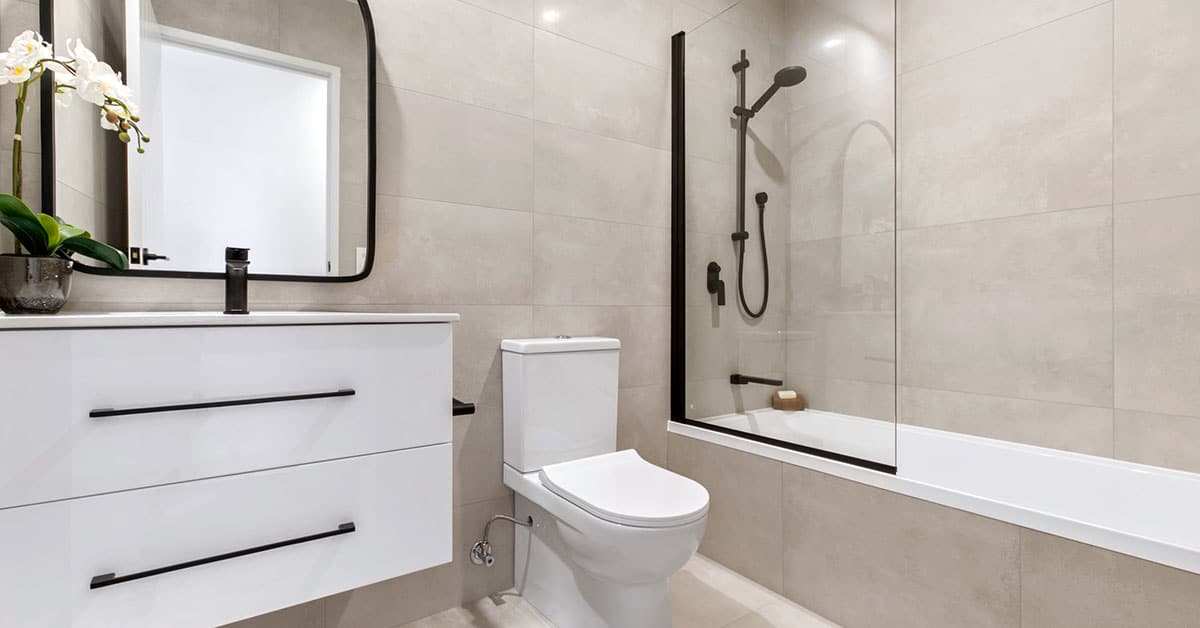
Traditional vanities sit heavily on the floor, visually closing off space. A floating vanity, mounted directly to the wall, exposes more floor area and creates a lighter, more open appearance.
Beyond aesthetics, floating vanities offer practical benefits:
- Easier cleaning underneath
- Customizable height
- A modern, streamlined look
Pair it with integrated drawers instead of cabinet doors to maximize usable storage in a compact footprint.

Go Vertical With Storage
When square footage is limited, vertical space becomes your best friend.
Consider:
- Tall, narrow cabinets
- Open shelving above the toilet
- Built-in recessed wall niches
- Medicine cabinets that extend to the ceiling
Recessed storage is especially valuable because it doesn’t protrude into the room. Built-in shower niches eliminate the need for hanging caddies, while wall recesses near the vanity keep daily essentials organized without cluttering countertops.
Hiring the right contractor ensures these custom storage solutions are framed and installed properly. If you’re researching remodel professionals, read How to Choose a Bathroom Remodeling Contractor in Albany, OR, for helpful guidance.
Use Glass to Open Sightlines
Visual openness is just as important as physical space. Heavy shower curtains or framed enclosures can make a small bathroom feel segmented and closed in.
Instead, consider:
- Frameless glass shower panels
- Clear sliding glass doors
- Half-wall glass dividers
Transparent materials allow the eye to travel across the entire room without interruption, instantly making it feel larger.
If privacy is a concern, frosted or textured glass can provide coverage while still maintaining a lighter look.
Make Lighting Work Harder
Dim bathrooms feel smaller – period.
Layered lighting makes a dramatic difference in tight spaces. Combine:
- Overhead ceiling lighting
- Vanity task lighting
- Accent lighting inside niches or under cabinets
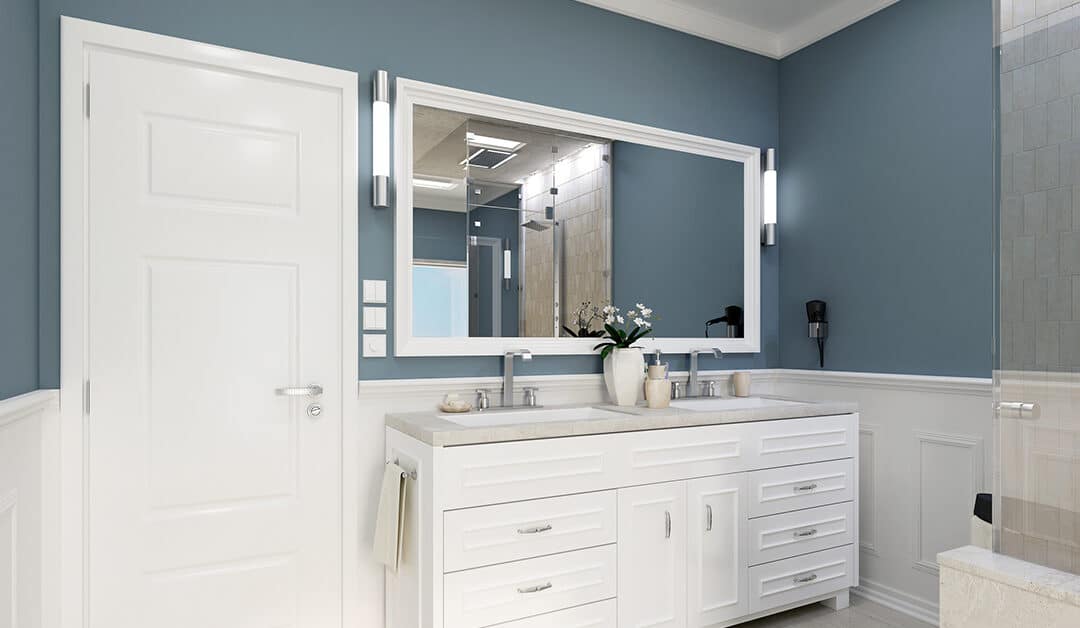
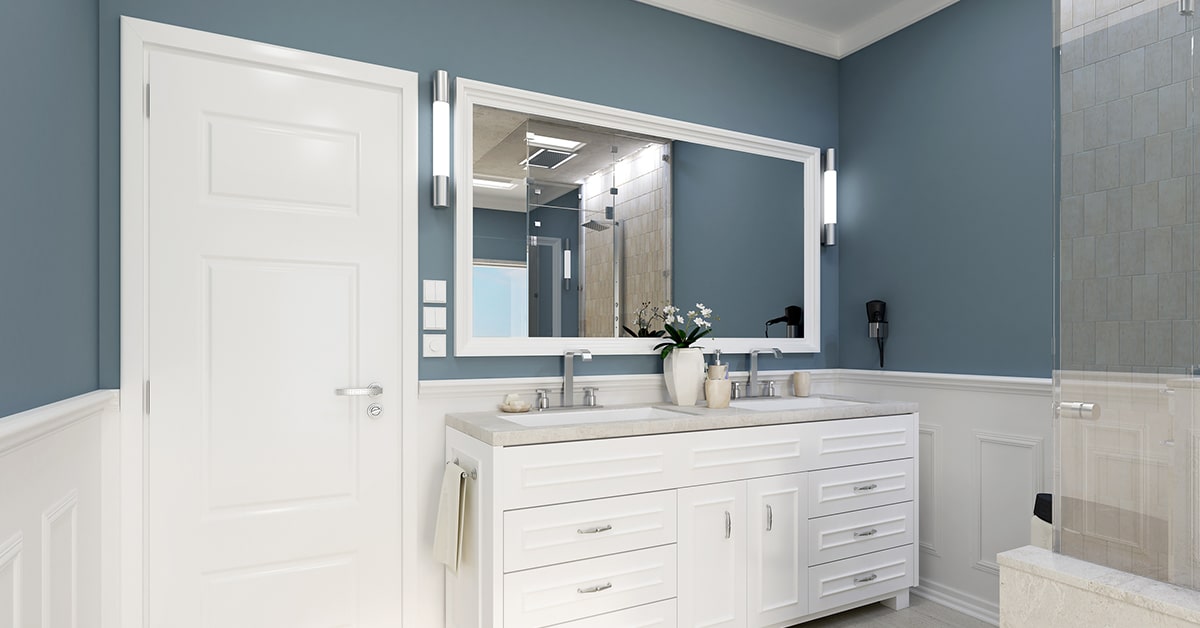
Wall-mounted sconces on either side of the mirror reduce shadows and provide better task lighting than a single overhead fixture. Bright, well-distributed light expands the room visually and enhances functionality.

Choose Large-Format Materials
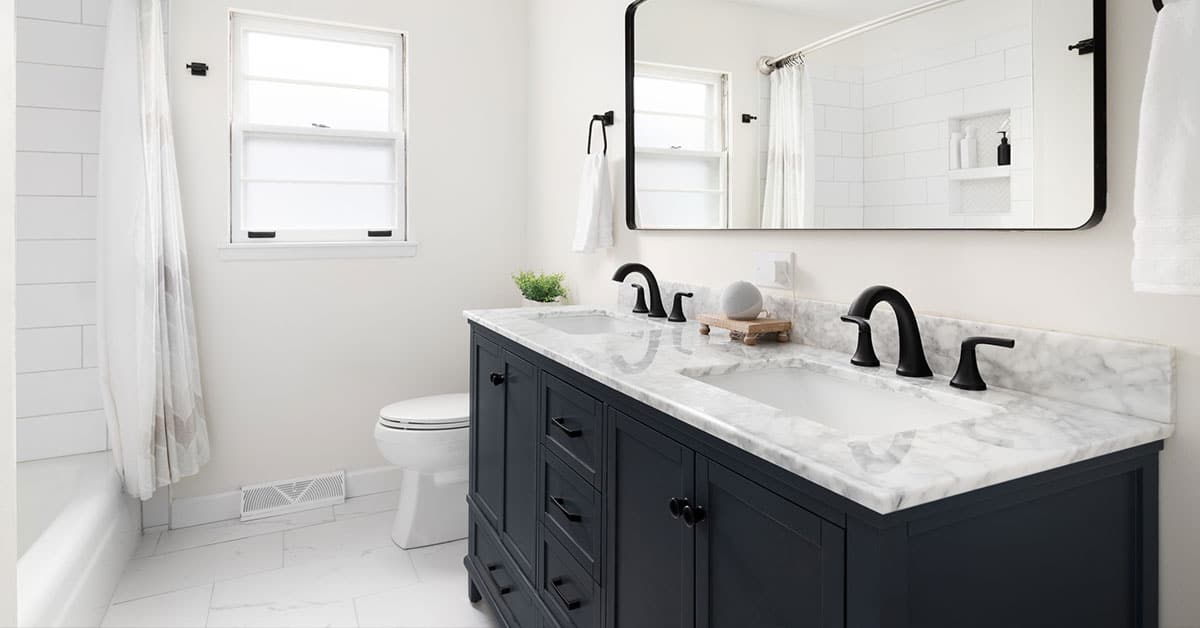
It may seem counterintuitive, but larger tiles often make small bathrooms look bigger. Fewer grout lines create visual continuity, which reduces visual “noise” and fragmentation.
Additional material strategies include:
- Extending the same flooring into the shower
- Running wall tile vertically to emphasize height
- Using consistent color palettes throughout
Keeping transitions minimal creates a seamless look that helps the room feel cohesive and expansive.
If you’re exploring current styles that work well in smaller bathrooms, check out some of the Top Bathroom Design Trends for 2026 for inspiration that balances beauty and practicality.
Install Space-Saving Fixtures
Modern plumbing fixtures are designed with efficiency in mind. Compact toilets, corner sinks, and shallow-depth vanities are ideal for tight layouts.
Wall-mounted faucets can also free up counter space, especially when paired with smaller sinks. Every inch reclaimed matters in a small bathroom.
Additionally, sliding or pocket doors eliminate the swing radius of traditional doors, often reclaiming several square feet of usable area.
Keep the Color Palette Intentional
Color has a powerful impact on perceived size. Lighter tones reflect more light, creating an airy feeling. But that doesn’t mean small bathrooms must be plain white.
Soft neutrals, warm grays, muted greens, and light wood tones can all create depth without overwhelming the room.
The key is cohesion. Too many bold contrasts or competing patterns can visually shrink a space. Keeping finishes streamlined and harmonious allows the eye to move smoothly across the room.
Reduce Clutter With Hidden Storage
No design trick can compensate for clutter. In small bathrooms especially, visible mess quickly overwhelms the space.
Smart hidden storage ideas include:
- Drawer organizers
- Pull-out vanity trays
- Recessed medicine cabinets
- Built-in laundry hampers
Planning for storage during the remodel phase ensures everything has a place, which keeps your bathroom feeling open long after the renovation is complete.
If you’re wondering how long these upgrades typically take to complete, check out our other article, which breaks down timelines so you can plan with confidence.

Small Space, Big Impact
A small bathroom remodel isn’t about shrinking your expectations. It’s about maximizing potential. Thoughtful design choices, efficient storage, and clean sightlines can completely transform how the space looks and feels.
At Top Form Contracting, we help homeowners design bathrooms that are not only beautiful, but highly functional, no matter the square footage.
If you’re ready to reimagine your small bathroom, call us at (541) 926-4597, or contact us for a free estimate. Let’s make every inch count.